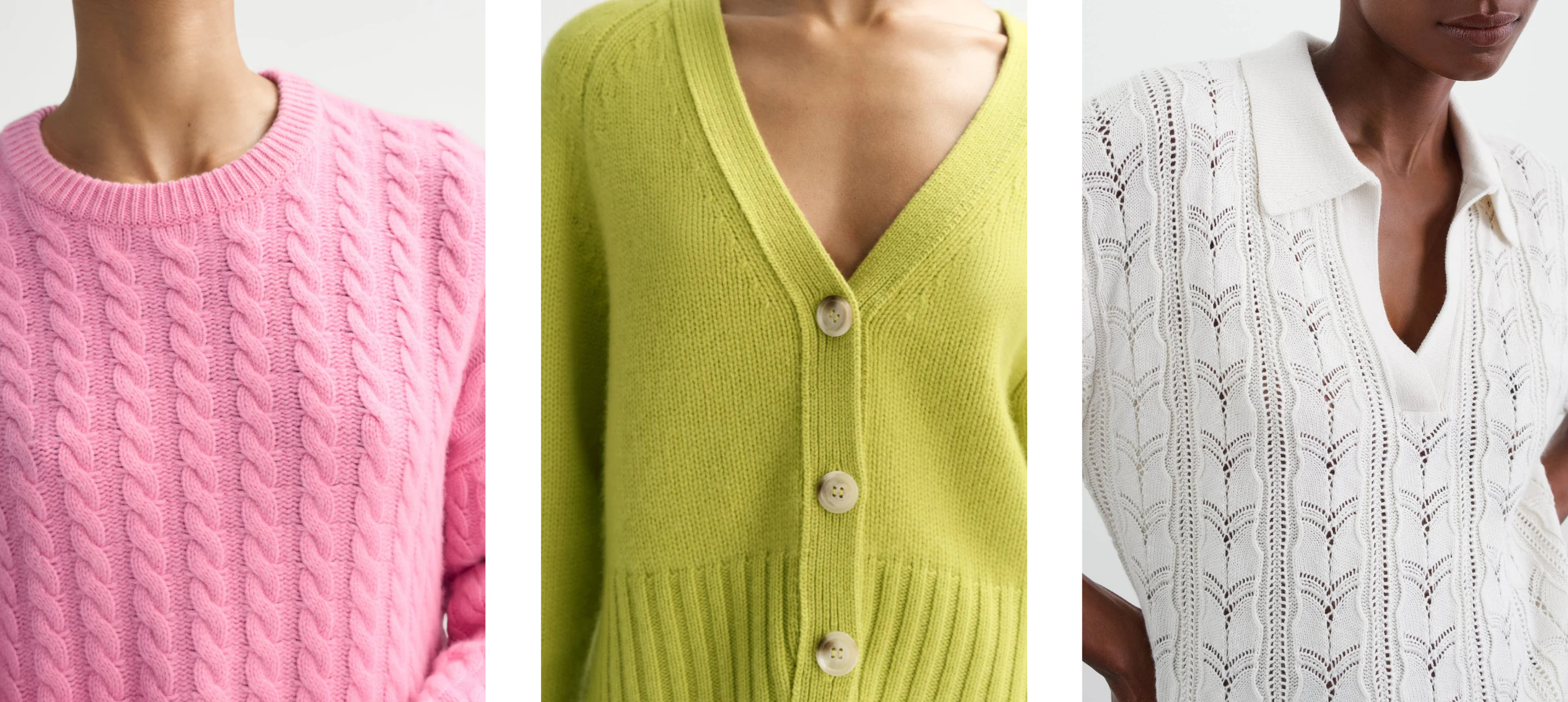
Understanding Gauge: The Quiet Detail That Shapes Great Knitwear
When shopping for knitwear, most of us instinctively look to the obvious markers of quality: the fibre, the weight, the feel against the skin. Cashmere, merino, alpaca — these names carry meaning. Yet one of the most defining elements of how a knitwear piece looks, feels, and performs is often overlooked entirely.
That detail is gauge.
Hidden in the construction rather than the label, gauge plays a decisive role in everything from drape and warmth to durability and refinement. To understand why certain sweaters feel lighter, smoother, or more polished than others — even when made from the same yarn — it’s worth taking a closer look at this quiet technical choice.
What is gauge in knitwear?
In simple terms, gauge refers to the number of needles on a knitting machine within a set width, usually one inch. The higher the number, the finer the needles — and the finer the knit.
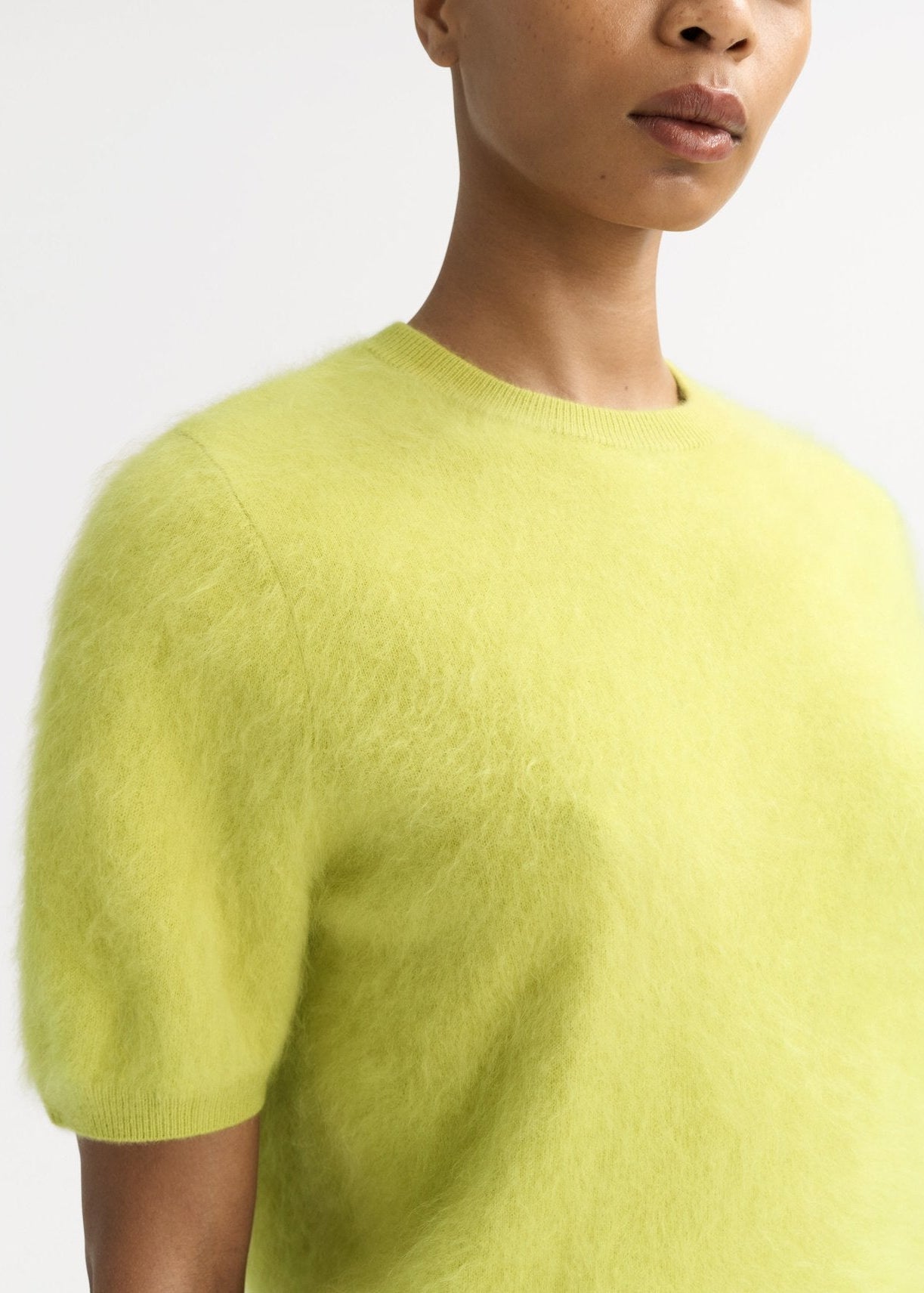
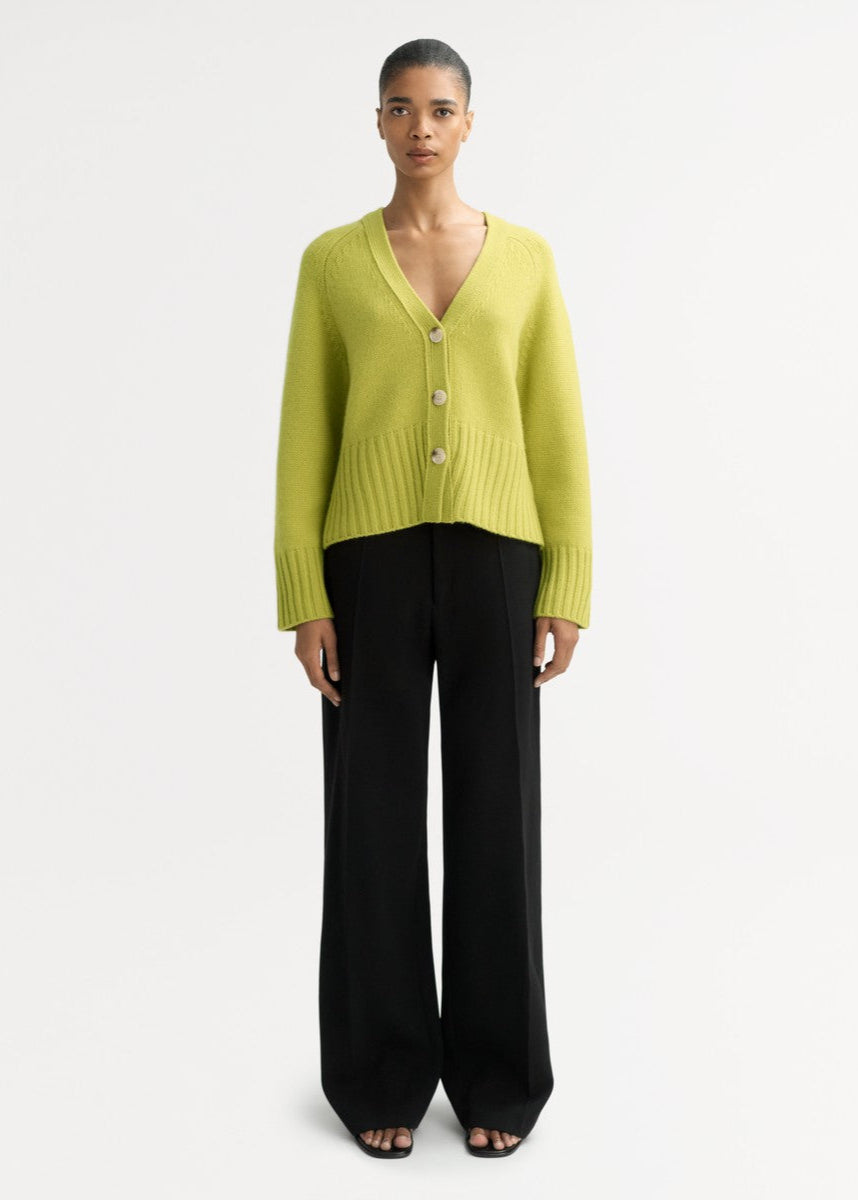
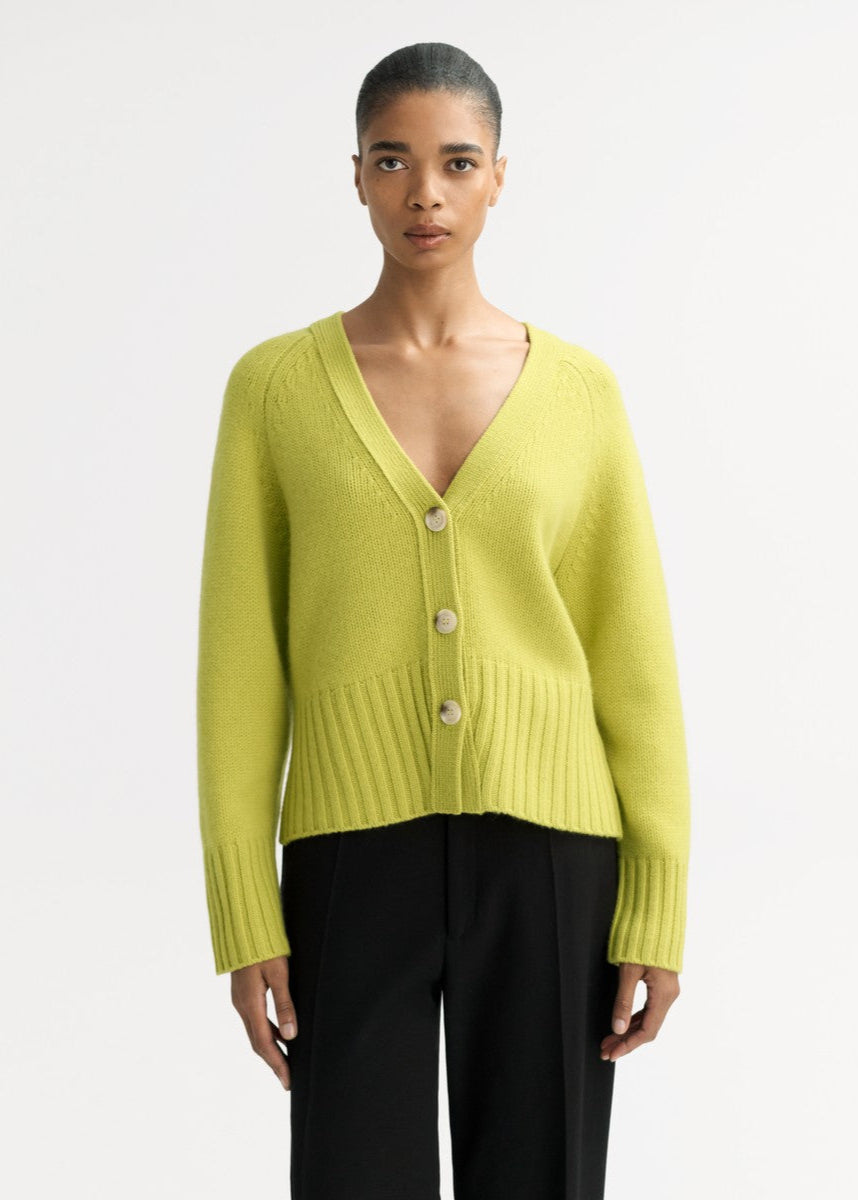
A lower gauge uses thicker needles, resulting in a chunkier, more visibly textured fabric. A higher gauge produces a tighter, smoother surface with a more refined finish. While the numbers themselves rarely appear on care labels, they fundamentally shape how a garment behaves and how it’s experienced when worn.
How gauge affects look and feel
Gauge determines much of what we instinctively notice the moment we put on a knit.
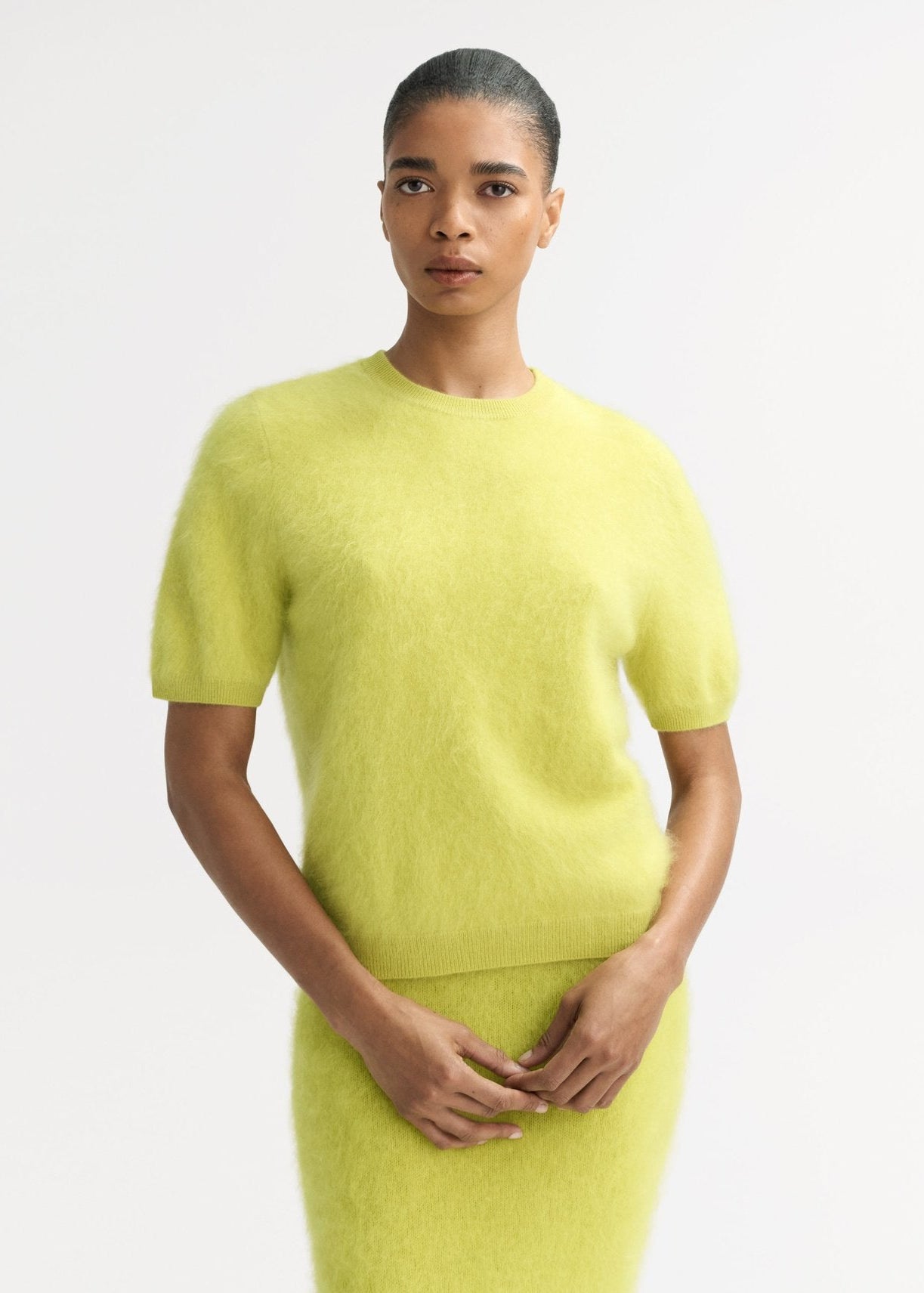
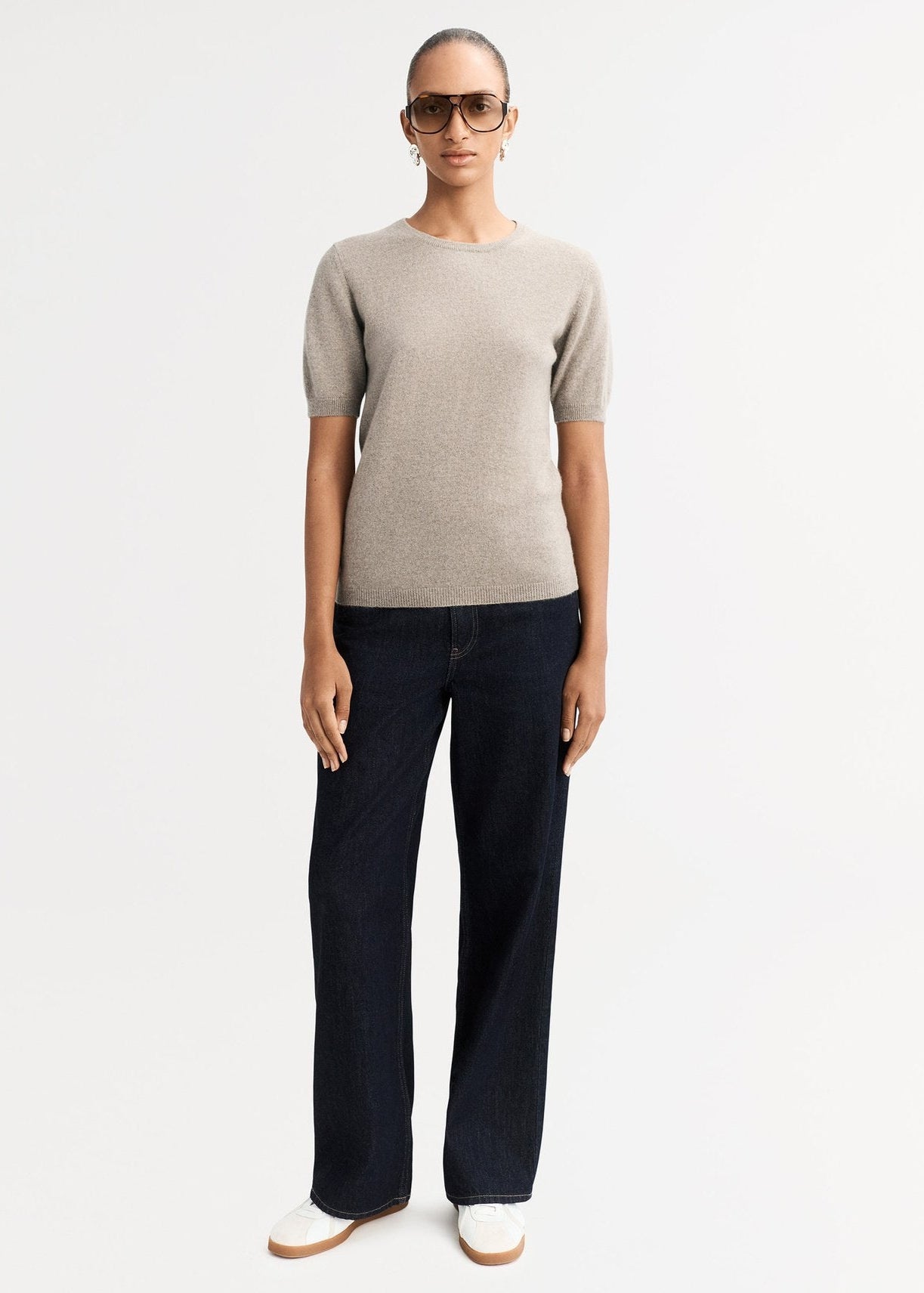
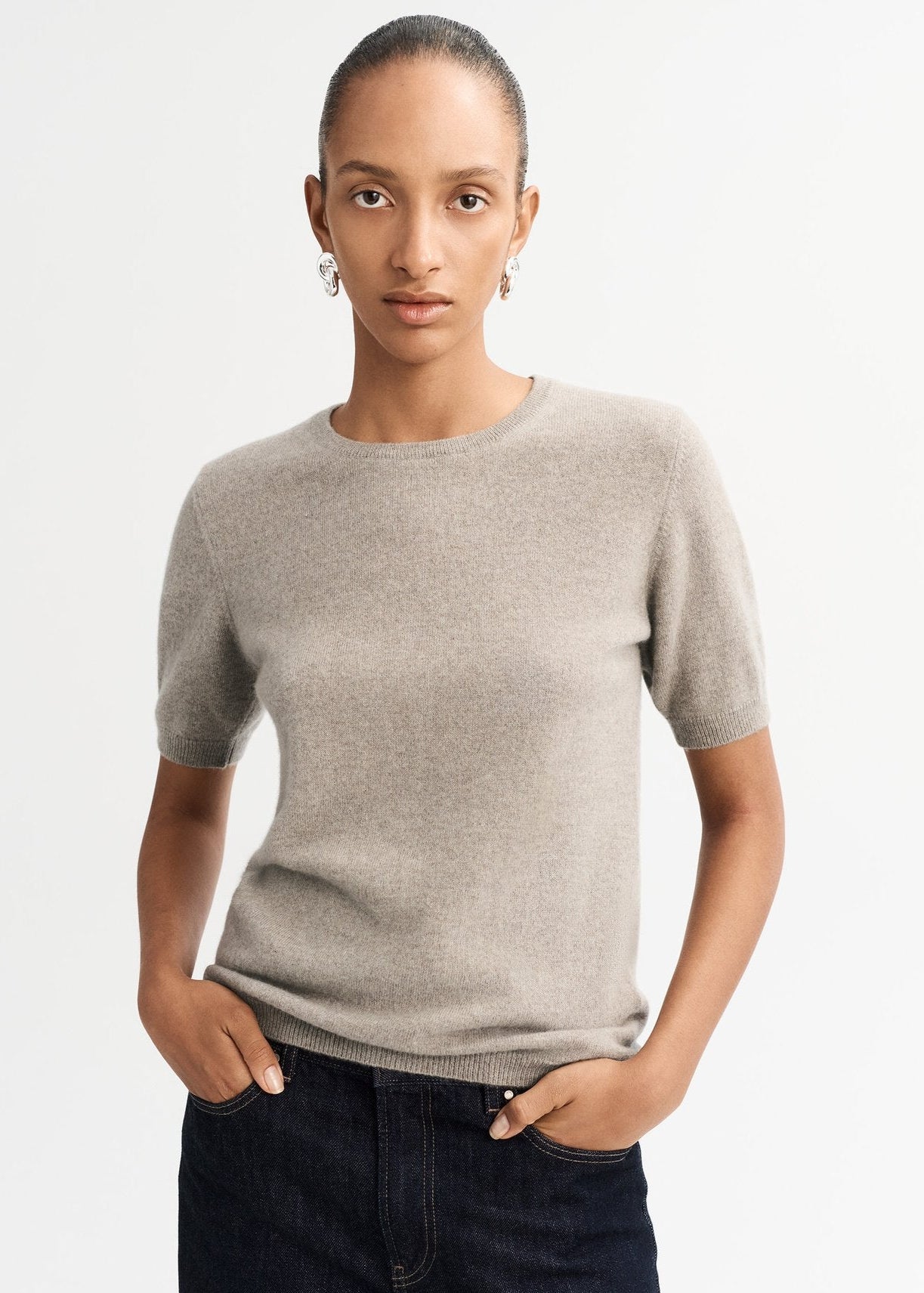
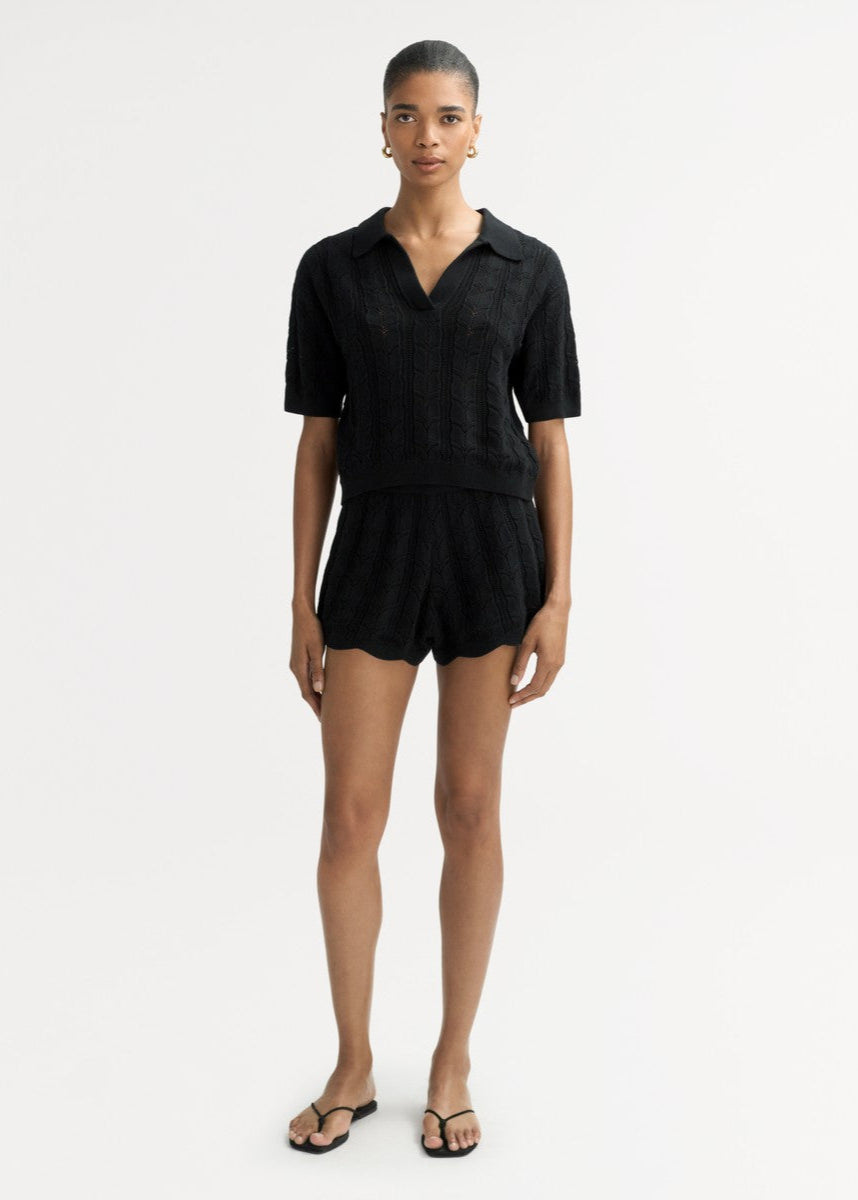
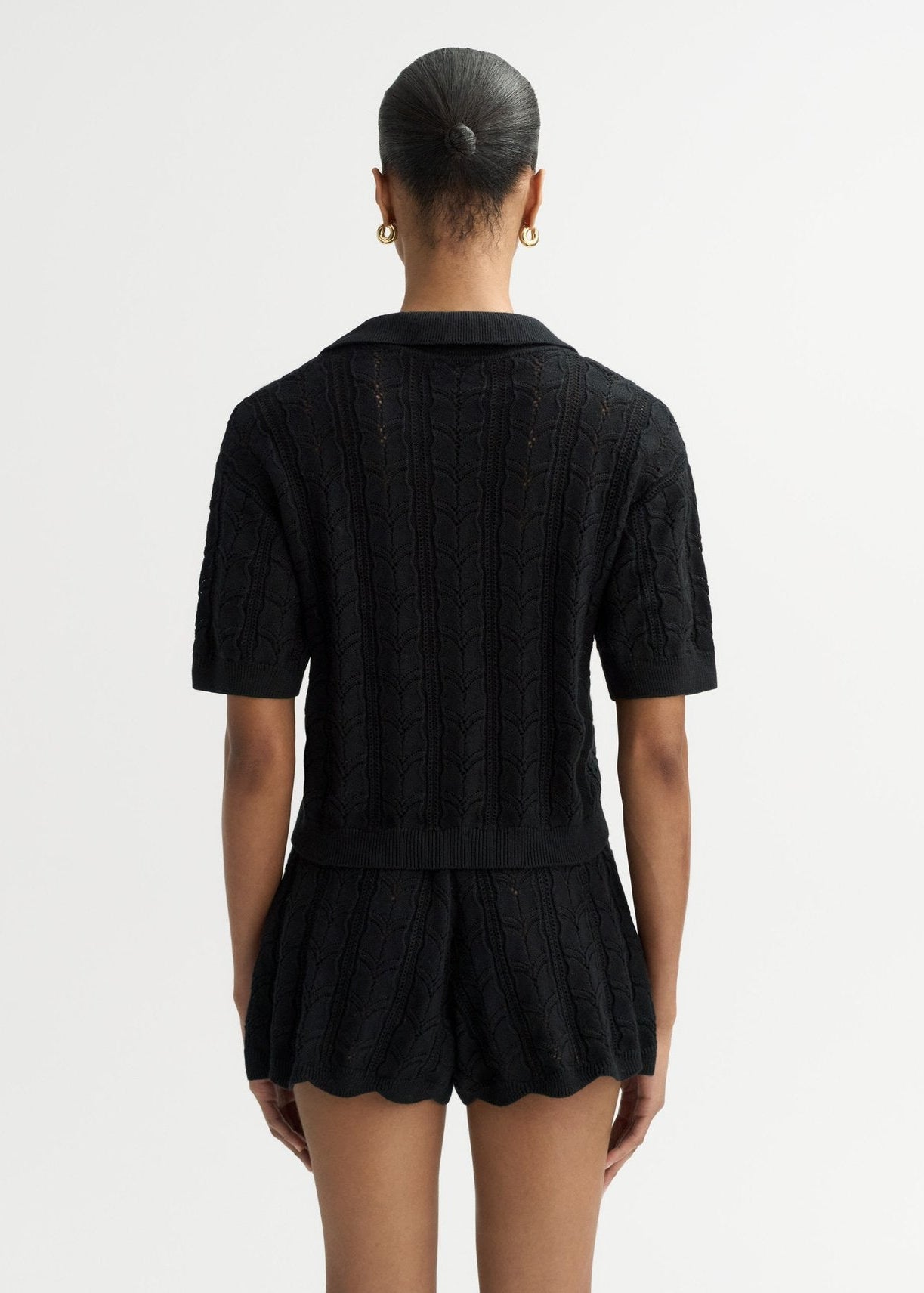
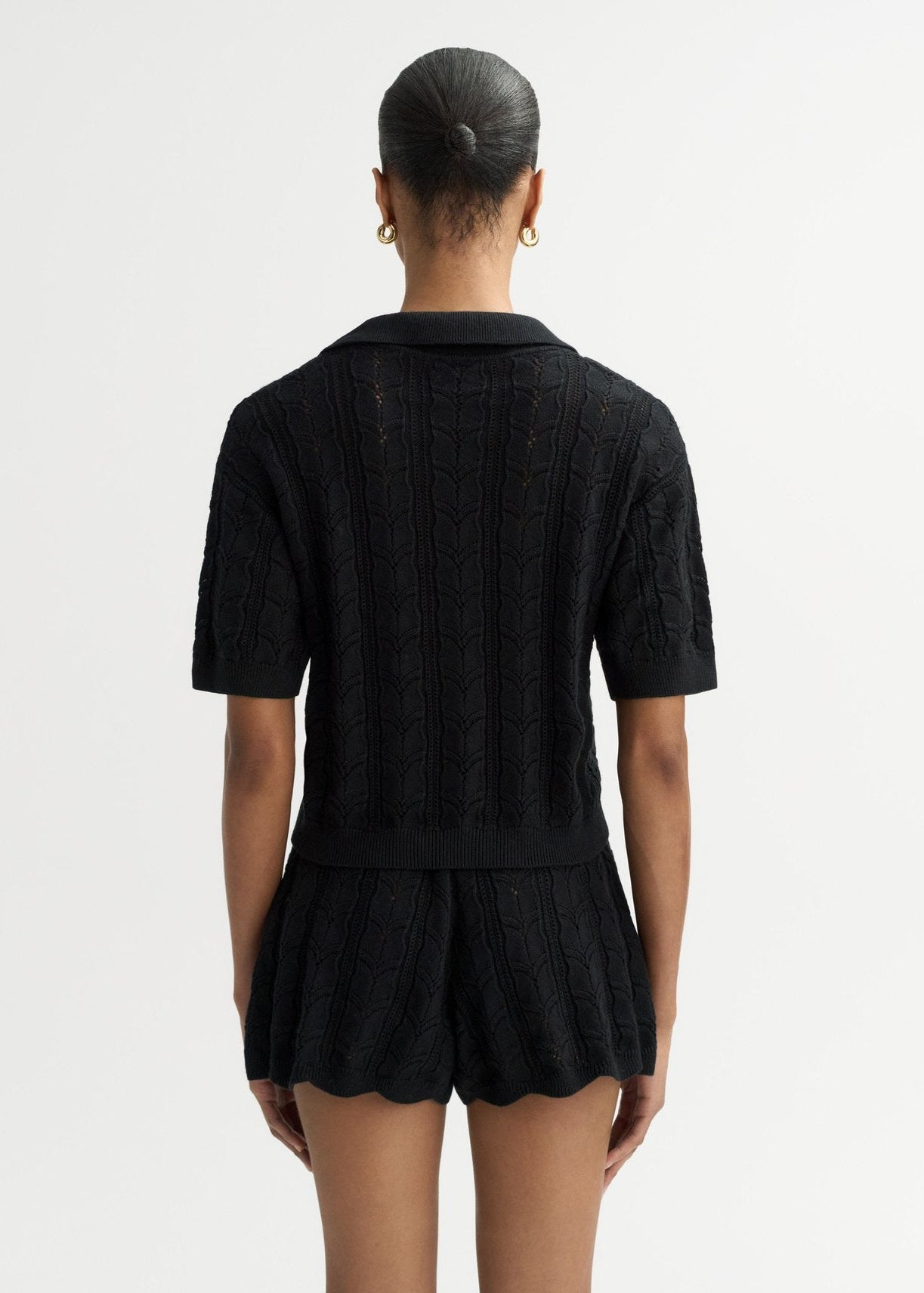
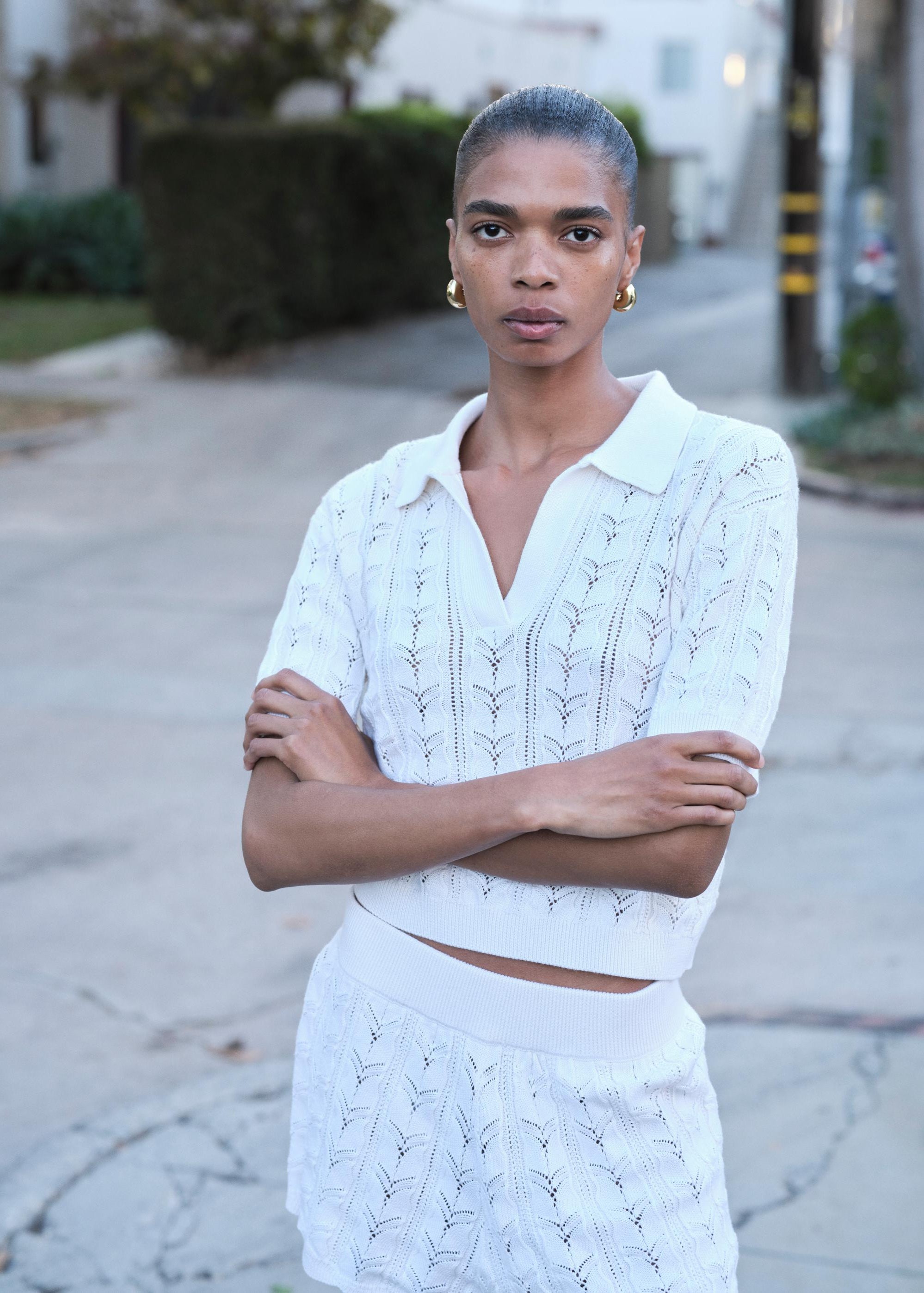
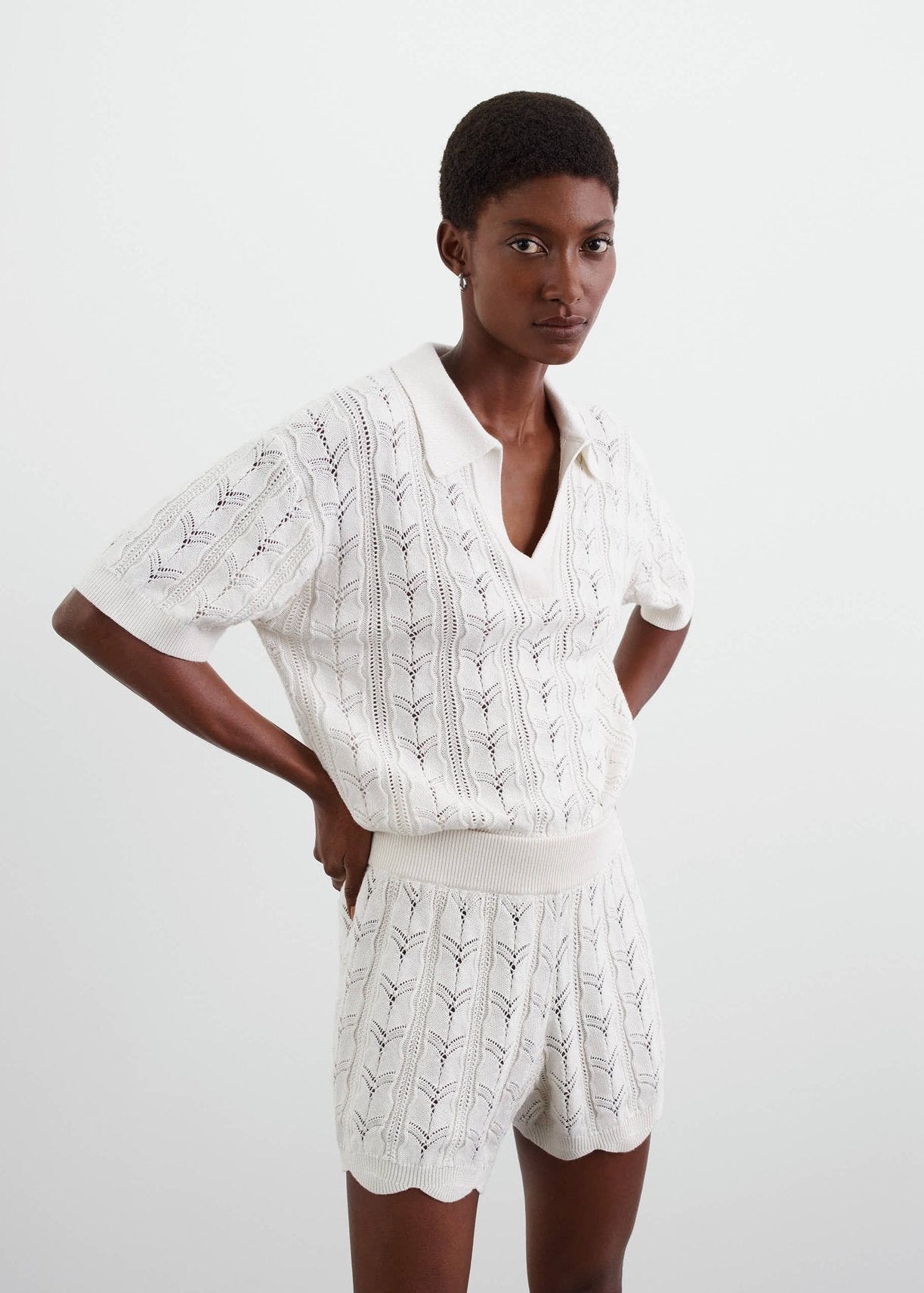
Higher‑gauge knitwear tends to feel lighter and smoother, with a clean surface that lends itself to layering and a more polished silhouette. These pieces drape closer to the body, offering warmth without bulk — a defining characteristic of refined, modern knitwear.
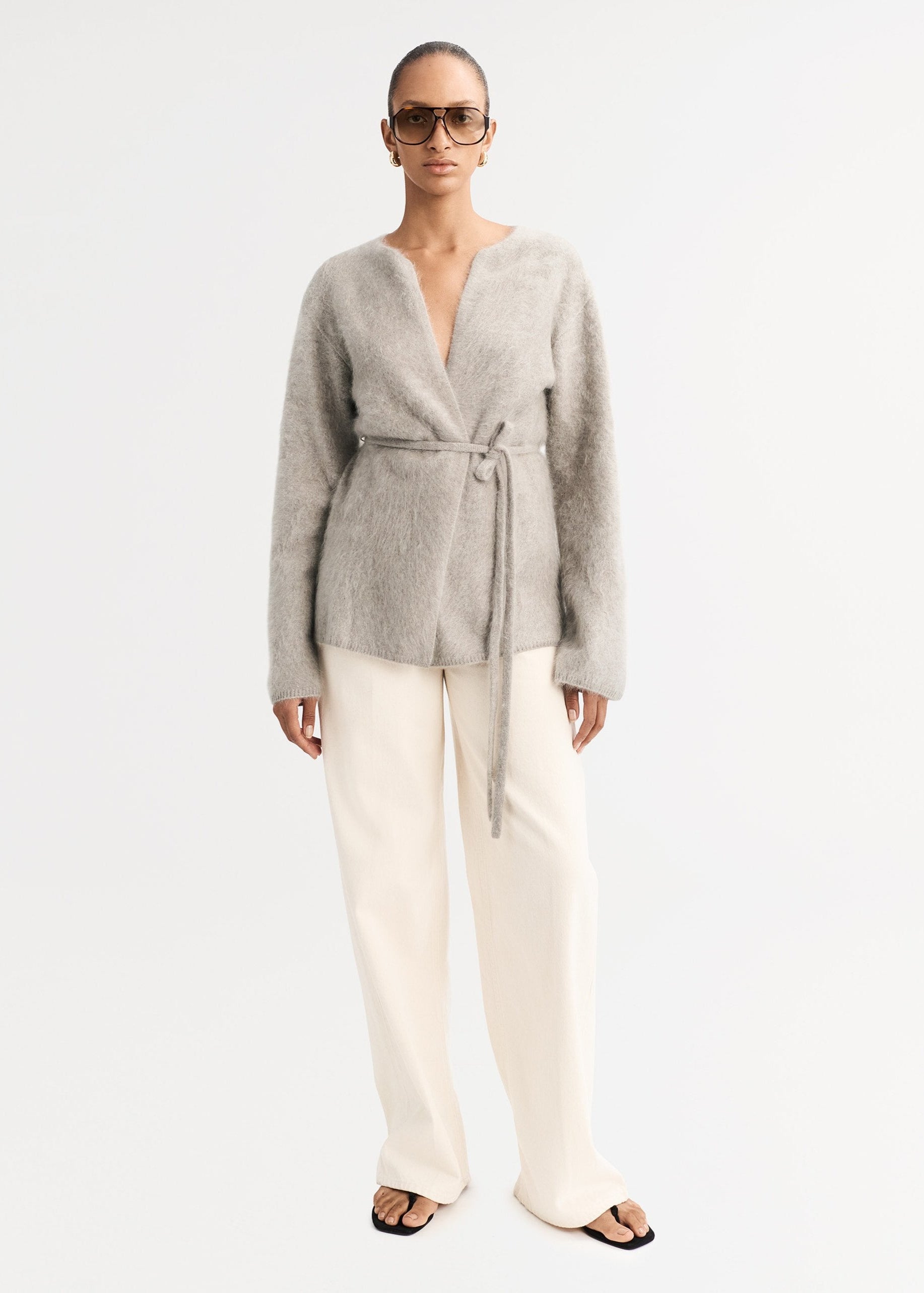
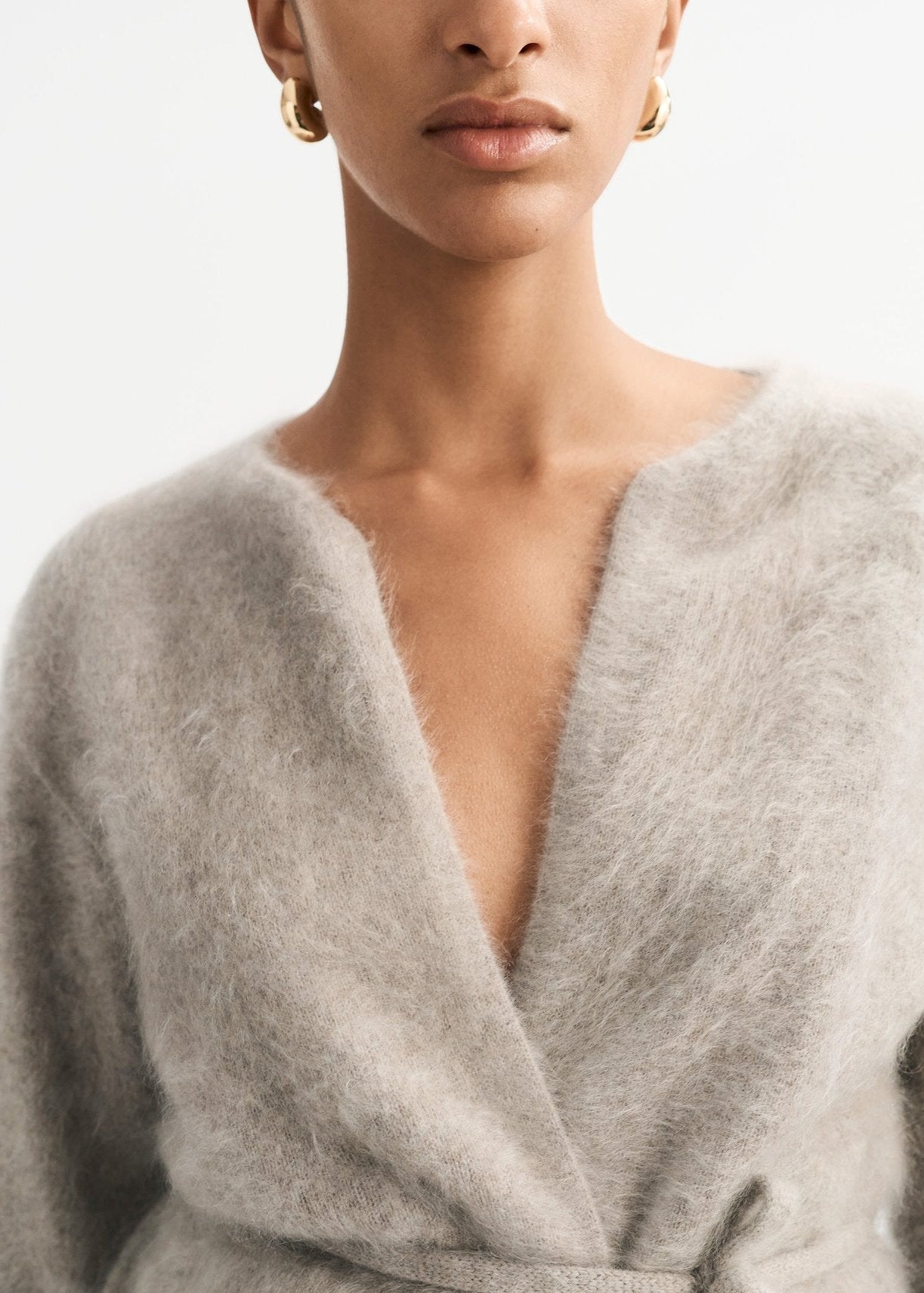
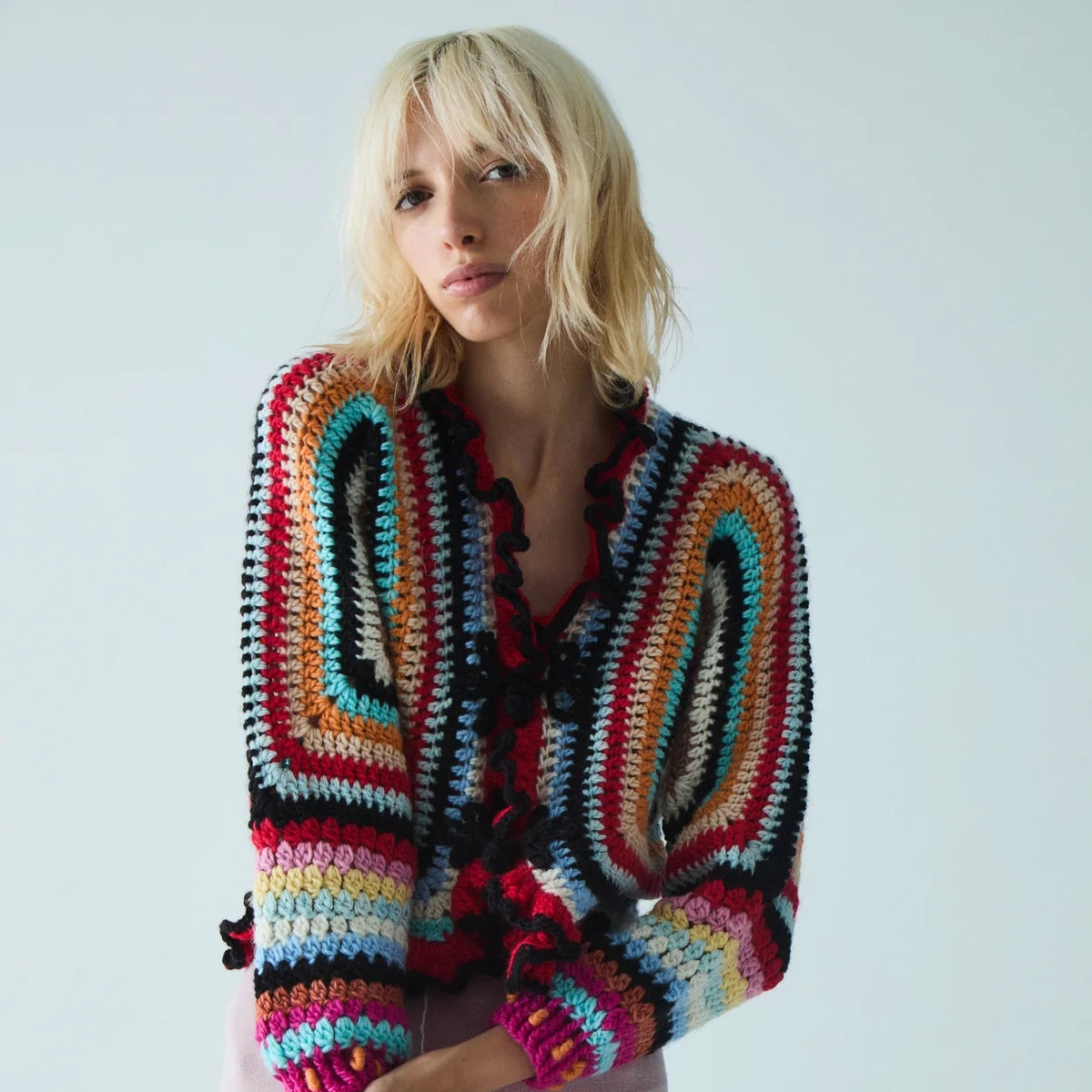
Lower‑gauge knits, by contrast, feel more substantial in the hand. Their structure creates visible stitch definition and a heavier profile, often associated with relaxed, casual styles or colder conditions where insulation is prioritised over lightness.
Neither is inherently better; each serves a different purpose. What matters is understanding the role gauge plays in how a garment fits into your wardrobe and lifestyle.
Gauge and warmth: less weight, more performance
One of the most common misconceptions about knitwear is that heavier always means warmer. In reality, finer‑gauge knitting can offer exceptional insulation by trapping heat efficiently while remaining breathable.
This is particularly noticeable in high‑quality fibres such as cashmere or extra‑fine merino wool. When knitted at a higher gauge, these fibres create garments that provide warmth without feeling dense or restrictive — ideal for transitions between seasons, indoor settings, and travel.
It’s this balance that often distinguishes premium knitwear from more ordinary alternatives.
Why fibre alone doesn’t tell the full story
Two sweaters can be made from the same yarn — even the same batch of wool — and feel entirely different once knitted. Gauge is one of the main reasons why.
Finer fibres generally reach their full potential when knitted at higher gauges. Their softness, elasticity, and natural drape are more accurately expressed, while unnecessary bulk is avoided. Lower gauges can mute these qualities, masking the fibre’s natural performance behind weight and texture.
This is why truly considered knitwear design looks beyond fibre sourcing alone, treating gauge as an integral part of the garment’s final identity.
Why higher‑gauge knitwear often costs more
Higher‑gauge knitting is a slower, more demanding process. Finer needles require precision, advanced machinery, and careful quality control. Even minor inconsistencies in yarn or tension are more visible, which leads to stricter selection standards and higher production rejection rates.
The result is not just a finer product, but one that reflects time, skill, and attention at every stage of its construction. While this craftsmanship may not be immediately visible, it’s felt in longevity, comfort, and the way a garment holds its shape over time.
Choosing the right gauge for your wardrobe
Understanding gauge allows you to make more informed choices — not just about style, but about how a piece will function day to day.
For layering and everyday wear, mid‑ to high‑gauge knits offer versatility, working comfortably under jackets or over shirts.
For travel or work, finer gauges provide a polished look without compromising comfort.
For relaxed, cold‑weather dressing, lower‑gauge styles bring texture and warmth with a more casual character.
Rather than thinking in terms of seasons alone, gauge helps define how and where a knit will live in your wardrobe.
A considered approach to knitwear
At its best, knitwear design is about balance: between softness and strength, warmth and lightness, simplicity and technique. Gauge sits quietly at the centre of that balance.
It’s a detail you may not notice at first glance — but one you’ll feel every time you wear a thoughtfully made piece. And once understood, it becomes impossible to overlook.